
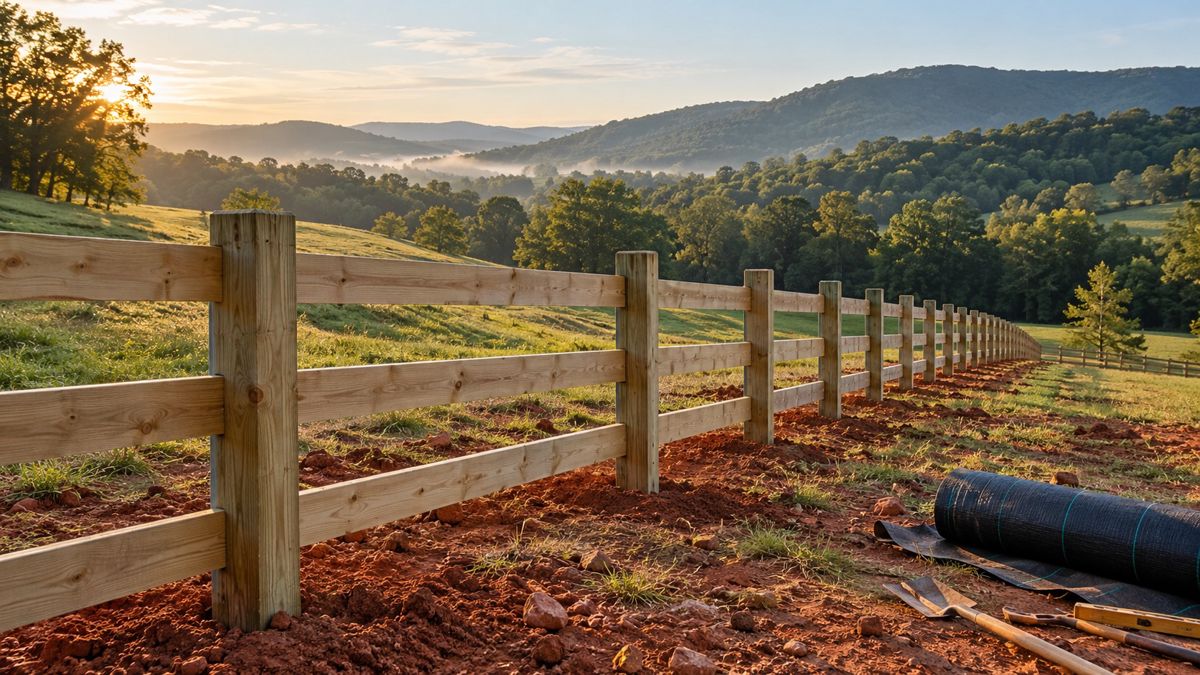
Most fences in the United States cost somewhere between about $15 and $60 per linear foot installed, depending on the material. A typical backyard fence of around 150 feet often lands between $3,000 and $7,000 before gates. Those are rough national guides, not quotes from this business. Your Decatur price depends on the yard, the material and the details below.
What is the cost per foot for each fence type?
Fence prices are usually given per linear foot, installed. The ranges below are broad national figures for a typical residential job. They are meant to help you plan, and your actual quote could fall outside them.
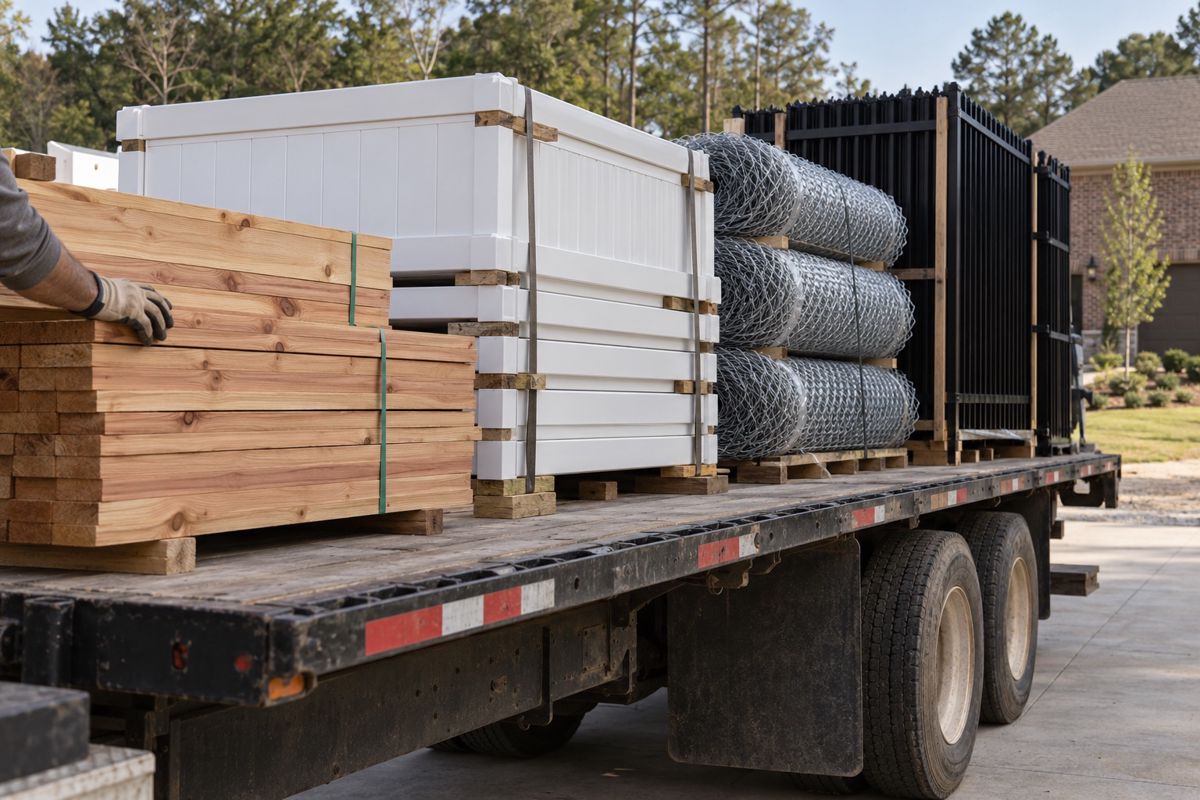
- Chain link: roughly $10 to $30 per foot. Galvanized is at the low end, and vinyl-coated or taller fence costs more.
- Wood privacy (six foot): roughly $20 to $45 per foot. Pressure-treated pine is lower, and cedar is higher.
- Vinyl or PVC privacy: roughly $25 to $60 per foot, depending on thickness and style.
- Aluminum: roughly $25 to $65 per foot for typical residential panels.
- Ornamental steel or iron: roughly $30 to $90 or more per foot, depending on design and finish.
As an example, 150 feet of wood privacy fence at $20 to $45 per foot comes to about $3,000 to $6,750. Gates, removal of an old fence and slopes are extra.
What makes a fence cost more or less?
Material is the biggest factor, but it is not the only one. Several smaller items add up quickly.
- Height: a six foot fence uses more material and deeper posts than a four foot one.
- Total length: longer runs lower the cost per foot slightly, since setup and delivery are spread out.
- Number and size of gates: a walk gate adds several hundred dollars, while a double drive gate costs more, and an automatic opener adds more again.
- Old fence removal: tearing out and hauling away an old fence takes labor and disposal.
- Style: board-on-board, decorative tops and caps use more material than a plain panel.
- Finish: stain, sealer or special colors add to the total.
When two quotes differ a lot, the gap is often in these items, not in a better price on the same fence.
How do clay, slopes and weather change the job in Decatur?
North Alabama has red clay that holds water and swells when wet. In dry summers it turns hard, which makes digging slower. Post holes in wet clay can collapse or fill with water, so crews often plan around the weather. That can affect timing more than price, but a very rocky or root-filled lot can add labor.
Rolling lots are common across the Tennessee Valley. Slopes mean angled panels or stepped sections, and more cutting for wood and fabric. Lots near the Tennessee River can have low or damp spots that need extra attention to post depth and drainage.
Weather matters for materials as well. Humid summers speed rot in untreated wood, and spring storms put wind load on solid privacy panels. Spending a little more on better posts, concrete and gate bracing usually costs less than repairing a leaning fence later.
What about gates, permits and neighborhood rules?
Gates are the part of a fence that gets used most, so they deserve attention in the quote. Ask what the gate frame is made of, how it is braced, and what hinges and latches are included. A cheap gate that sags in a year costs more in the long run.
Permits and rules can change both the plan and the budget. Many cities limit fence height, setbacks from the street and the style near a pool. Some require a permit. Rules differ by place and change over time, so check with the city building or planning office. Subdivisions can add covenants on color, height and material, and HOA approval can take time.
Before any digging, public utility lines should be located through Alabama 811. It is a free service, and it protects both the crew and your property.
How should you compare fence quotes?
A good quote is specific. When you collect two or three, use the same checklist so you are comparing like with like.
- Total linear feet and the height of each section.
- Material, grade and style, such as the type of wood or brand of vinyl.
- Post size, depth, spacing and whether they are set in concrete.
- Number, width and hardware of every gate.
- Old fence removal and cleanup.
- Who handles permits and utility locating.
- A rough time window, and what happens if weather delays the job.
Be cautious of a quote that is a single number with no details. Also ask to see a contractor's license and proof of insurance, whatever the local requirements are. That is a sensible step with any contractor and costs nothing.
Which fence fits which budget?
If cost is your main concern, chain link is usually the lowest per foot and works well for dogs, larger lots and boundaries. Wood privacy fence comes next, and is a popular choice for backyards that need privacy. Vinyl and aluminum cost more up front but save on upkeep, which matters in a humid climate. Ornamental steel sits at the top of the range, with more custom options.
Think about the lifetime, not only the first price. A wood fence that needs sealing every few years has ongoing cost. A vinyl or aluminum fence has a higher starting price and little upkeep. The right answer depends on how long you plan to stay and how much work you want to do.
Where should you start?
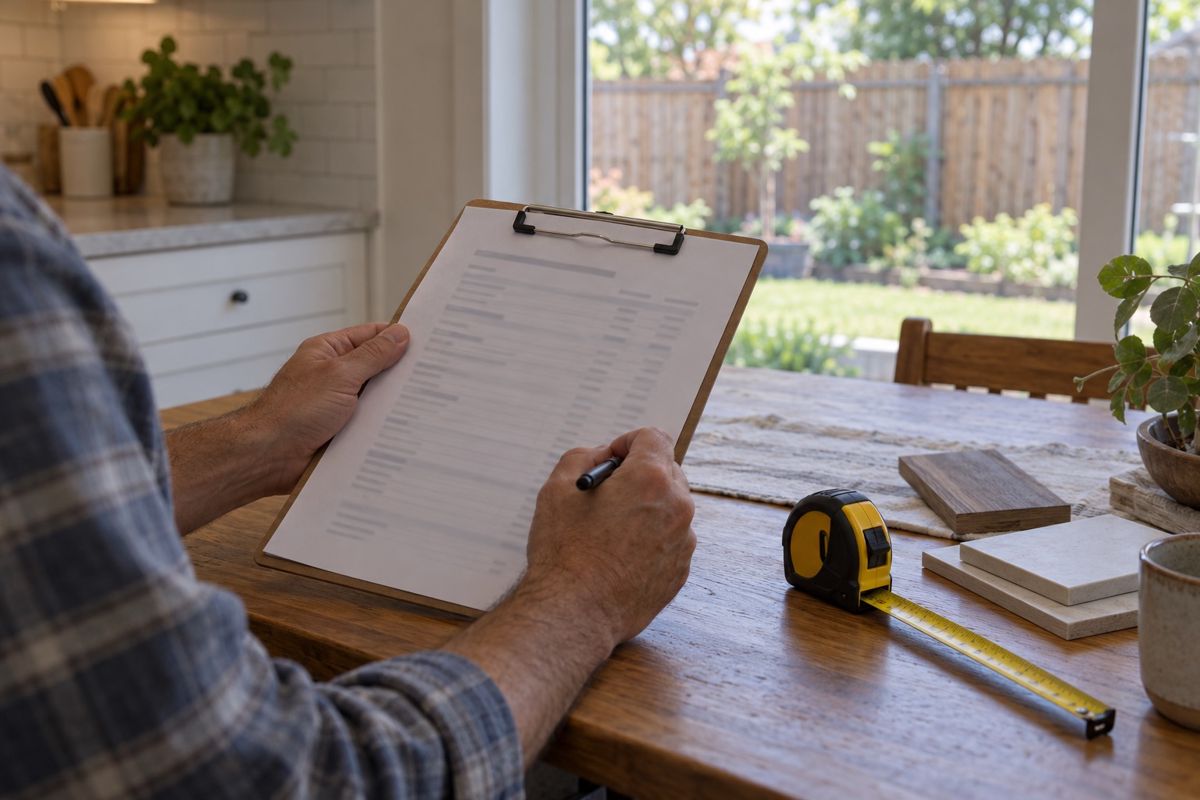
Begin by measuring roughly, deciding what the fence is for and checking your neighborhood rules. Then ask for written, itemized quotes so you can compare them fairly.
If privacy is the goal, read about wood fence installation in Decatur. If you want no-paint upkeep, see vinyl fencing. For a dog yard or a bigger lot, look at chain link, and for a pool or front yard, aluminum and iron fencing. Already have a fence that needs work? Start with fence repair and gates.